The Porcu name
Etymology, historical attestations and geography of an ancient Sardinian surname.
An animal
root
The surname Porcu comes from the Sardinian word porcu, meaning pig. It belongs to the very common Sardinian category of family names derived from animals or pastoral elements, a category typical of Sardinian surnames formed before the later toponymic standardisation.
Far from any modern pejorative meaning, these animal names testify to a rural and pastoral economy in which livestock structured village life: they often denoted a trait, a function or a family heritage. Surnames such as Cane, Pisu, Boi follow the same logic.
The attestation of the name is ancient and stable: Sardinian parish and tax registers show Porcu bearers from the modern period, particularly in the southern half of the island and in inland Barbagia.
Cartography of the communes
The Porcu surname is attested in a clearly identified cluster of communes. Each point on the map represents an area where the registers show the name with significant frequency.
Attestation of the surname
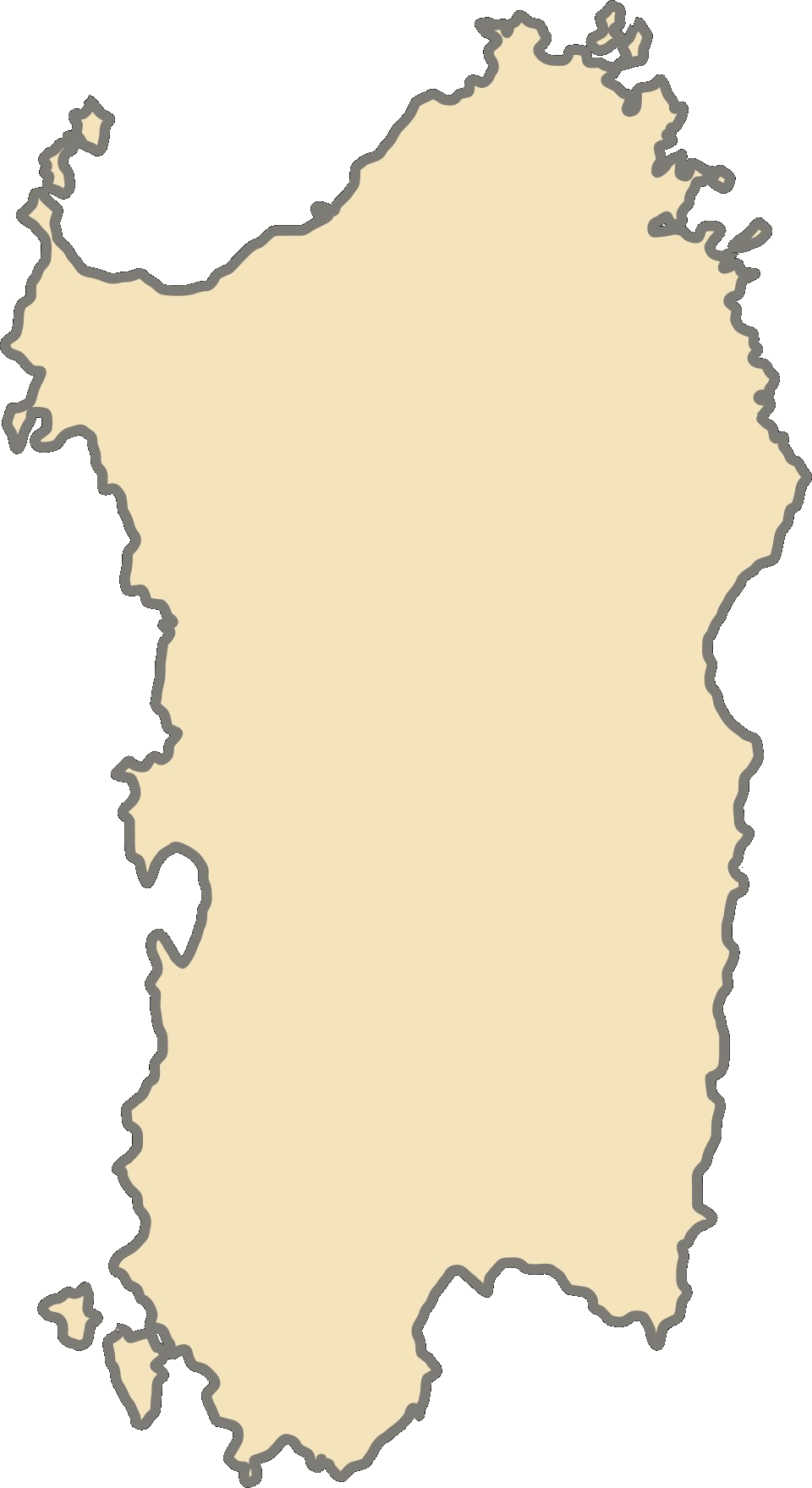
Villaputzu
- Province
- Attest.
- Pop.
- Alt.
Click on a point to display details.
The nine reference communes
Villaputzu ✦
Lula
Ghilarza
San Vito
Nuoro
Buddusò
Samassi
Montresta
Sarule
From the villages
to the mining basin
The history of the Porcu name does not stop at the Sardinian shores. In the 1950s, as France was massively welcoming foreign workers for its extractive industries, several Porcu families joined Bousbach and Forbach, in the heart of the Lorraine coal basin.
Like other Italian and North African communities, the Sardinians gradually established a lasting presence, maintaining ties with the island of origin. A Porcu family reunion is documented in the local press in 2018, attesting to the vitality of this collective memory.
This Lorraine branch is now a privileged entry point for genealogical research: French civil records from the second half of the 20th century often allow tracing back to the Sardinian commune of origin.
« To read a name, one must first read the island. »
Chapter III, Sardinia, identity →